
How to Become a Software Enginer: Complete Career Roadmap
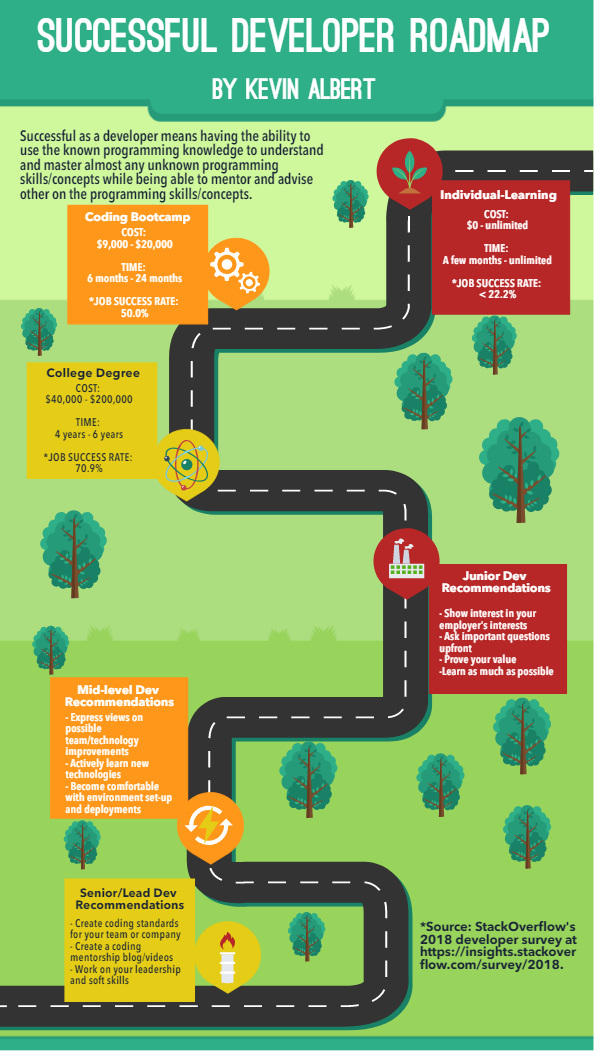
Understanding the Role of a Modern Software Enginer
The Indian technology sector has evolved far beyond basic IT support and legacy maintenance. Today, major technology hubs like Pune, Bengaluru, Hyderabad, and the NCR region are driving product innovation, cloud architecture, and artificial intelligence integration. Whether you are typing a search query for a software enginer or looking into full-stack development roles, the core goal remains identical: solving real-world business problems through reliable, efficient, and scalable code.
A successful modern software enginer does not merely memorize syntax in Python or Java. They analyze system requirements, design logical software architecture, write clean and maintainable code, test for edge cases, and collaborate with cross-functional teams to ship software that delivers real value. If you are starting from scratch or looking to transition into tech, understanding this holistic role is your first step toward building a sustainable long-term career.
Key Responsibilities in Today's Tech Environment
Before selecting programming languages or enrolling in training, it helps to understand what professional software engineers handle on a day-to-day basis. While exact responsibilities differ between early-stage startups and established product enterprises, common tasks include:
- Designing System Architecture: Planning how frontend user interfaces, backend logic, databases, and third-party APIs communicate reliably.
- Writing and Maintaining Clean Code: Drafting structured, well-documented, and modular code that team members can review and maintain easily.
- Debugging and Code Optimization: Identifying performance bottlenecks, resolving bugs, and refactoring existing codebases for better speed and security.
- Collaborating Across Teams: Partnering with UI/UX designers, data analysts, and product managers to translate feature requirements into technical specs.
- Automating Workflows: Setting up version control routines and automated testing pipelines to deploy updates seamlessly.
Essential Technical Skill Set for Aspiring Software Engineers
To enter the tech industry today, you need a balanced combination of foundational computer science principles and hands-on practical tools. Broadly, the core technical domains fall into three essential categories:
1. Core Programming and Problem Solving
Every entry-level software enginer must master at least one core language thoroughly before expanding their toolset. Language choices often depend on your chosen specialization, but popular entry points include:
- Python: Highly versatile and readable, widely used across backend development, data analytics, automation, and machine learning.
- JavaScript / TypeScript: The standard language for web application development, powering both browser interfaces and server environments.
- Data Structures and Algorithms (DSA): Understanding arrays, linked lists, stacks, queues, trees, hash maps, and fundamental sorting algorithms is critical for writing efficient code and clearing technical interview rounds.
2. Full-Stack Web Technologies
Most modern application development demands familiarity with how complete web ecosystems function from end to end.
- Frontend Foundations: HTML5, CSS3, modern JavaScript, and component-based frontend libraries like React.
- Backend Frameworks: Building secure RESTful APIs and server applications using Node.js (Express), Python (Django or FastAPI), or Java (Spring Boot).
- Database Management: Designing relational database schemas in PostgreSQL or MySQL, alongside working with NoSQL databases like MongoDB.
3. Developer Tools and Engineering Practices
Writing code is only one portion of software engineering. Modern teams rely heavily on workflow tools to maintain software quality and team alignment.
- Git and GitHub: Essential for version control, code reviews, open-source collaboration, and showcasing personal project repositories.
- Command Line & Linux Basics: Navigating server environments and running deployment commands efficiently.
- Containerization & Cloud Basics: Understanding Docker concepts and basic deployment platforms like AWS, Vercel, or Render.
A Practical 6-Month Roadmap to Become a Software Enginer
For college students and career switchers in India aiming to enter the software domain, following a structured, step-by-step roadmap prevents overwhelm and maintains learning momentum.
Months 1–2: Master Logic and Syntax Fundamentals
Select one core language (Python or JavaScript). Focus entirely on understanding syntax, control flow, functions, object-oriented programming (OOP), and foundational problem-solving. Practice solving 1–2 logical coding problems daily on platforms like HackerRank or LeetCode to build algorithmic intuition.
Months 3–4: Learn Full-Stack Application Development
Move beyond command-line scripts. Build interactive web applications. Learn how frontend components fetch data from backend endpoints and how to safely store and retrieve information from a database. Construct 2–3 targeted mini-projects, such as a task management platform, a simple content management system, or an API-driven weather application.
Month 5: Build a High-Quality Capstone Project
Employers prioritize practical capability over theoretical certificates alone. Work on a comprehensive capstone project that solves a genuine practical problem. Examples include an automated inventory system, an expense dashboard with data visualizations, or a real-time messaging tool. Document your code, upload it to GitHub with a detailed README, and deploy the application online.
Month 6: Interview Preparation and Portfolio Refinement
Prepare your resume by highlighting practical project outcomes, clean up your public code repositories, and optimize your LinkedIn profile. Practice mock interviews focusing on core DSA concepts, basic system design questions, clear communication, and technical problem-solving approaches.
Bridging the Gap: University Theory vs. Industry Demands
Many computer science and engineering graduates experience a disconnect between academic coursework and modern tech industry expectations. University curricula often emphasize theoretical concepts, while hiring teams evaluate whether a candidate can immediately join agile Sprints, write unit tests, and push clean code to shared repositories.
To stand out as a candidate searching for entry-level roles as a software enginer, focus on active building rather than passive content consumption. Participating in hackathons, contributing to open-source software, or enrolling in practical, project-based training programs offers the direct exposure employers look for.
How FutureCorp Academy Supports Your Engineering Journey
At FutureCorp Academy in Pune, we focus on practical, career-aligned training designed to bridge the gap between academic theory and active software development roles. Our specialized programs in Full Stack Development, Data Analytics, Python, UI/UX, and AI emphasize real-world project creation under industry guidance.
Through hands-on mentorship, practical internship opportunities, and direct placement support, students build verified portfolio projects that demonstrate clear coding capability to tech employers across India.
Final Thoughts
Building a successful career as a software enginer requires consistency, curiosity, and continuous hands-on practice. Concentrate on mastering fundamental logic, building functional applications, and clearly presenting your technical work. With targeted learning and practical project experience, you can forge a resilient path in the technology industry.
Founder, FutureCorp Academy — helping students turn classroom theory into practical, industry-ready skills.


Comments
Leave a comment
Comments are reviewed before they appear.